
Fuel prices are climbing again in Nigeria, and the effect is already showing up where many people feel it most: transportation.
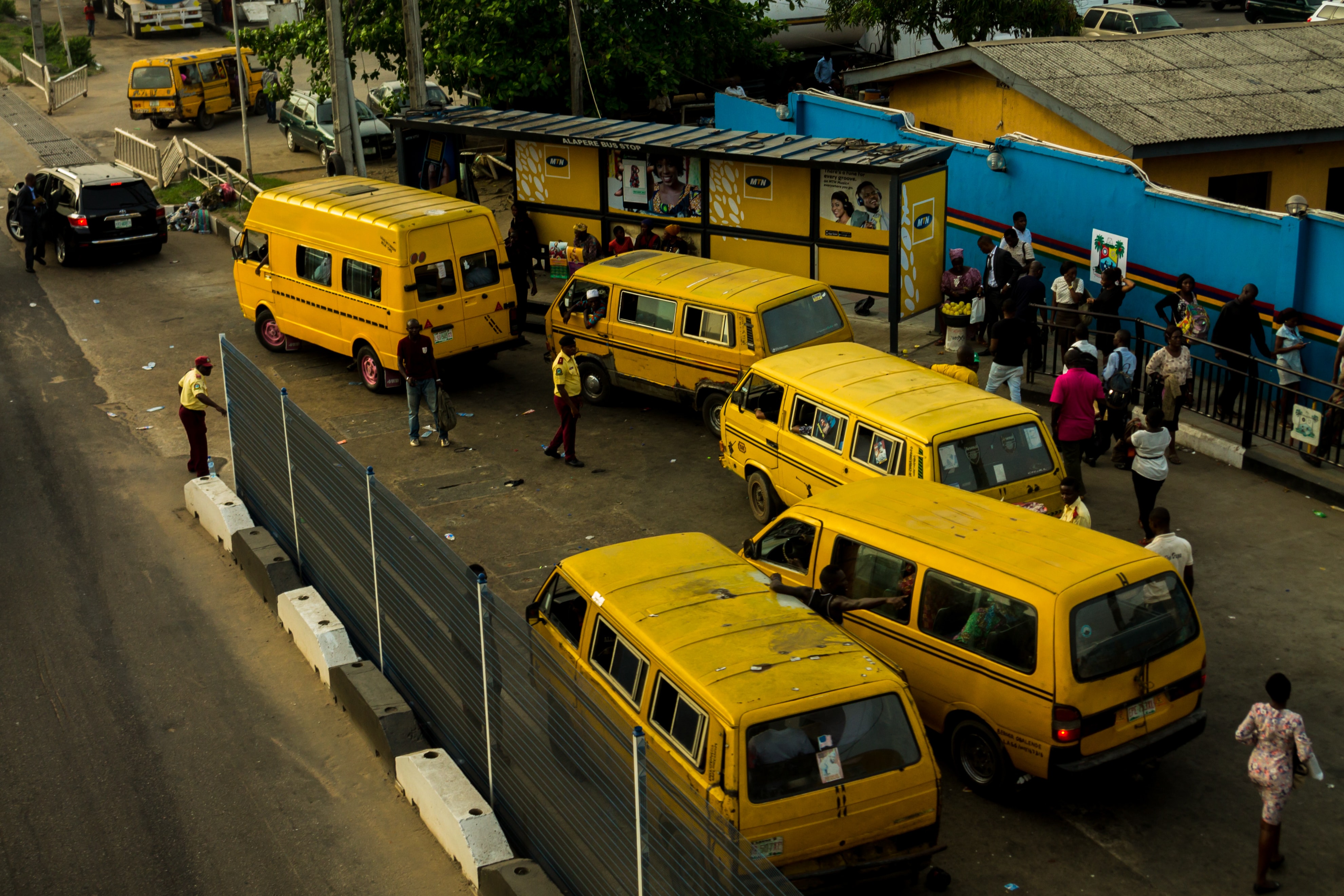
Across major cities, commuters are reporting sharp increases in bus and taxi fares as petrol prices rise above the ₦1,200 per litre mark in several locations. For millions of Nigerians who rely on public transport daily, even small adjustments at the pump quickly translate into higher travel costs. Commercial drivers say the increase leaves them with few options. Fuel accounts for a large share of their daily expenses, and when prices rise, fares often follow almost immediately.
In Lagos, Abuja, and other urban cities, some routes have already recorded fare increases of between 20 and 50 percent. Short trips that once cost a few hundred naira now cost significantly more, forcing many commuters to rethink how often they travel. For some residents, the adjustment has meant cutting back on non-essential trips. Others say they now walk longer distances or switch to cheaper transport options where available.
The latest surge reflects broader pressures in Nigeria’s fuel market. Since the removal of petrol subsidies, local pump prices have become more closely tied to global oil prices, exchange rates, and supply costs.
Economists say the ripple effects go beyond transportation. Higher fuel prices often raise the cost of moving goods, which can eventually push up the prices of food and other basic items.
For everyday commuters, however, the impact is immediate and visible. Each increase at the pump is quickly reflected at the bus stop, and for many Nigerians navigating tight household budgets, the daily journey to work is becoming more expensive.

Rising petrol prices across Nigeria are pushing transport fares higher, forcing commuters to adjust daily travel as the cost of moving around continues to climb.