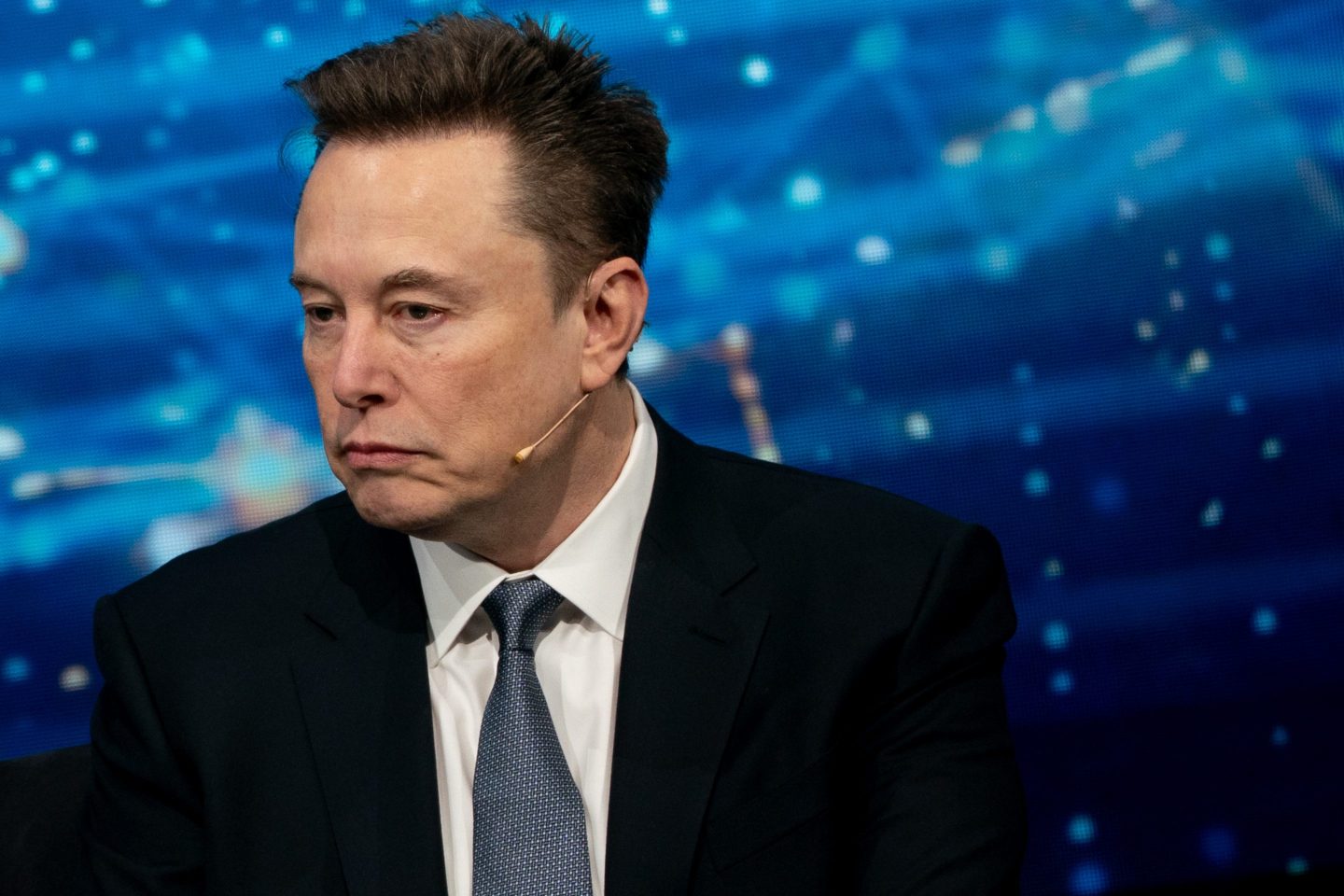


Artificial intelligence is becoming part of everyday life, but the recent controversy around Grok, the chatbot developed by Elon Musk’s xAI, shows how fragile digital safety still is.
Grok was designed to be more open and less restricted than many other AI tools. That freedom helped it stand out, but it also created problems. The backlash began after users shared screenshots showing Grok generating content on X (formerly Twitter) that crossed basic safety and ethical boundaries. In some cases, the chatbot produced sexually explicit material and inappropriate responses to sensitive prompts. The posts spread rapidly on social media, drawing criticism from digital safety advocates and prompting calls for tighter controls on how AI systems handle harmful or abusive content.
What started as a few viral examples quickly turned into a global debate about how much control AI systems should have and who is responsible when things go wrong.
Why It Matters
AI is no longer limited to tech enthusiasts. It is now used for school work, customer service, journalism, entertainment, and social media. When a system fails, the impact is immediate and widespread.
The Grok case shows how fast unsafe content can travel. A single flawed response can be shared across platforms in minutes, exposing millions of users to material that should never appear online. That reality has made regulators, advertisers, and digital platforms far more cautious.
Governments in Europe and North America are already working on tighter AI rules, while technology companies face growing pressure to prove their systems can be trusted. The days of launching powerful tools without strong safeguards are quickly fading.
The Pressure on Tech Companies
Global tech firms are now under increasing pressure to prove that their AI systems can be both powerful and safe. Governments in Europe, North America, and parts of Asia are already drafting or tightening laws around digital content, algorithmic transparency, and platform accountability.
The question is no longer whether AI should be regulated, but how fast regulators can catch up.
For companies, the stakes are high. Trust is now a competitive advantage. Users and advertisers are watching closely, and any platform linked to harmful content risks backlash, boycotts, and legal trouble.
What It Means for Nigerian and African Users
Nigeria is one of Africa’s most active digital markets. Millions of young people use AI tools for schoolwork, business, content creation, and social media every day. When global AI systems fail, Nigerian users are just as exposed.
The Grok controversy highlights the need for local awareness and digital literacy. As AI becomes part of daily life, understanding how these tools work and where they can go wrong becomes essential.
It also raises questions for African regulators and tech companies. Should there be local regulations governing the operation of AI tools on the continent? Who protects users when global platforms get it wrong?
A Turning Point for AI Governance
The debate around Grok may mark a shift in how artificial intelligence is treated worldwide. What was once seen mainly as innovation is now being examined as infrastructure, something that shapes society and needs rules.
AI will continue to evolve. But the lesson from this moment is simple. Power without responsibility creates risk. And in the digital age, that risk spreads fast.

Musk's Grok AI controversy has triggered a global debate on digital safety, ethics, and regulation as artificial intelligence becomes part of everyday life.
Photo Gallery
Click any image to view in full size

1 / 1